
A look at some of the other vulnerabilities facing this critical agency
Apr 21, 2026
Last month, I joined my fellow retired NWS meteorologist-in-charge and longtime friend John Gordon’s effort to start a podcast called Debris Ballers. The podcast’s goal is to help explain to people the behind-the-scenes aspects of tornado damage analysis and severe weather operations. With the quiet weather of late March and early April we were on a bit of a hiatus, but last night me and my fellow Debris Ballers — John, long-time NWS meteorologist-in-charge (now also retired) Tom Johnstone and Andrew Leeper of Nashville Severe Weather released an episode looking at the last week of active severe weather. The episode includes a discussion of the surprise Kansas City area tornado event last week, and the potential impacts of missing upper air data — so if you want more info about that as well as a look at some of the damage from Friday’s tornadoes in Minnesota and discussion of a challenging severe weather event in middle Tennessee, check it out.
In my final post about the upper air data issue last week, I mentioned that I want to shed light on some NWS infrastructure and administrative issues that I think are of potential greater concern. These include the aging NEXRAD Doppler weather radar network that I have discussed before and longtime issues with NWS communications and information technology (IT) infrastructure.
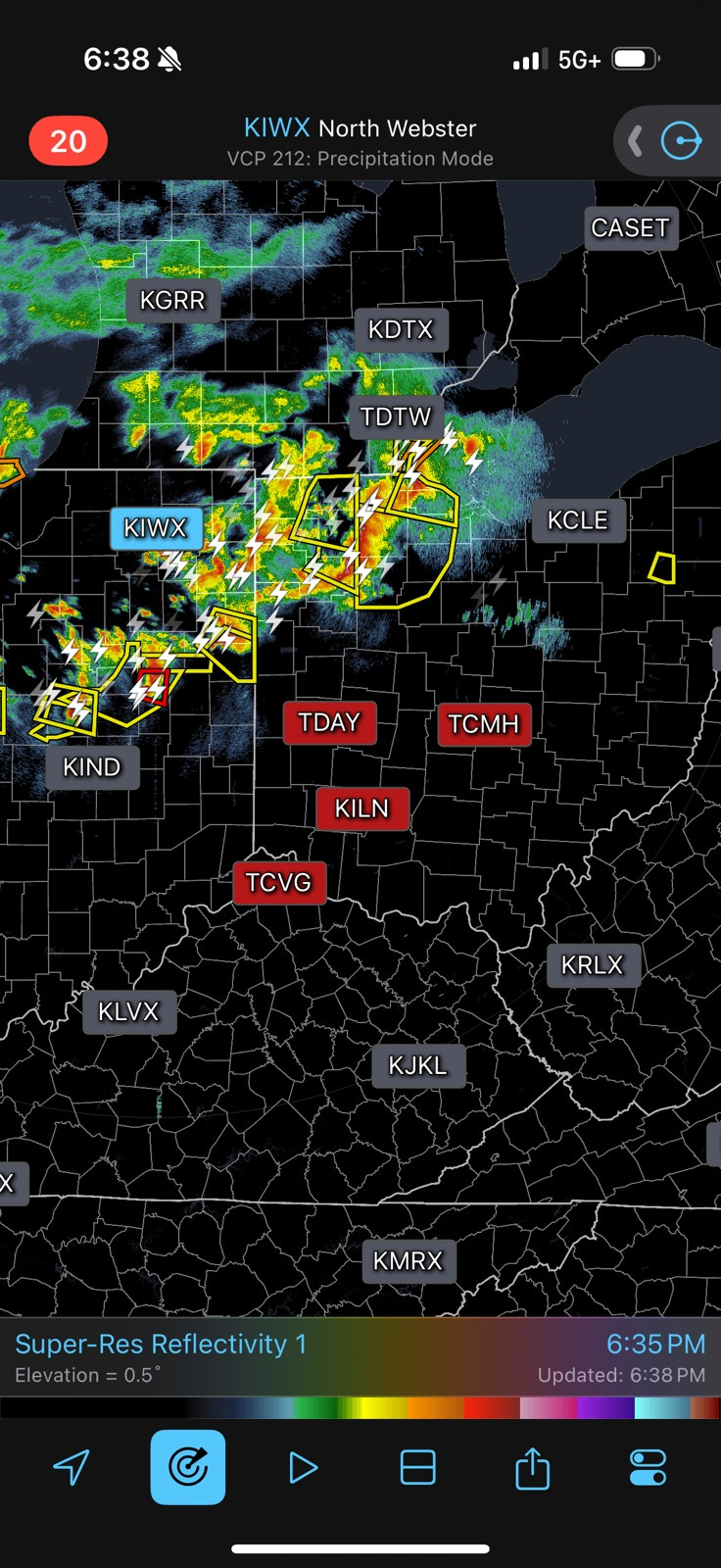
This is a screen grab from the RadarScope app from the evening of March 26, a day on which rather significant severe thunderstorms occurred across northern Indiana and Ohio with more than 200 reports of severe weather. The four-letter IDs on the map are NEXRAD and FAA Terminal Doppler Weather Radar (TDWR) sites that you can choose to view data from. The four sites right in the middle that are all red are missing data: KILN is the NEXRAD at the NWS office in Wilmington, OH and the three surrounding Terminal Doppler radars at the airports in Dayton, Columbus and Cincinnati.
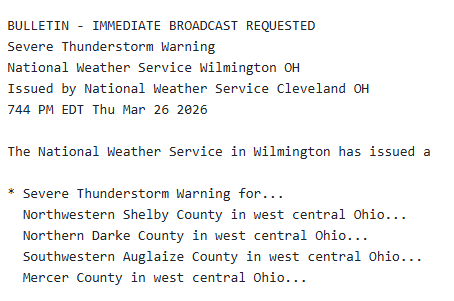
While there are definitely increasing concerns about the reliability of the aging NEXRAD fleet, in this case the issues were not with the radar themselves, but apparently with communications lines. The office at Wilmington was without communication for several hours, forcing the NWS office in Cleveland to provide backup services for the incommunicado Wilmington. Cleveland issued several severe thunderstorm warnings for Wilmington like the one above and a number of follow-up statements between 744 and 942 pm ET.
The office in Cleveland had to pick up the workload of the Wilmington office while they were dealing with even more widespread and significant severe weather in their own area of responsibility, including two confirmed tornadoes during the period they were providing backup for Wilmington. To be clear, NWS offices have plans to take over for a disabled office, and I have no reason to suspect that the situation was not handled effectively — but obviously a single office fully engaged with severe weather having to take on the workload on the fly of another office also dealing with severe weather is not an optimal situation.
NWS IT and comms infrastructure issues are certainly nothing new. Major vulnerabilities were exposed during Hurricane Katrina in 2005, and the Washington Post’s Capital Weather Gang has published numerous articles over the last number of years about these issues, including this one in 2021 outlining a near total collapse of the agency’s online systems including NWSChat, the instant messaging service NWS offices use to engage in real-time with key partners such as emergency managers and broadcast meteorologists. The NWS has made definite progress in improving some of these issues, including a very successful revamp of NWSChat by moving it to the commercial Slack online chat service.
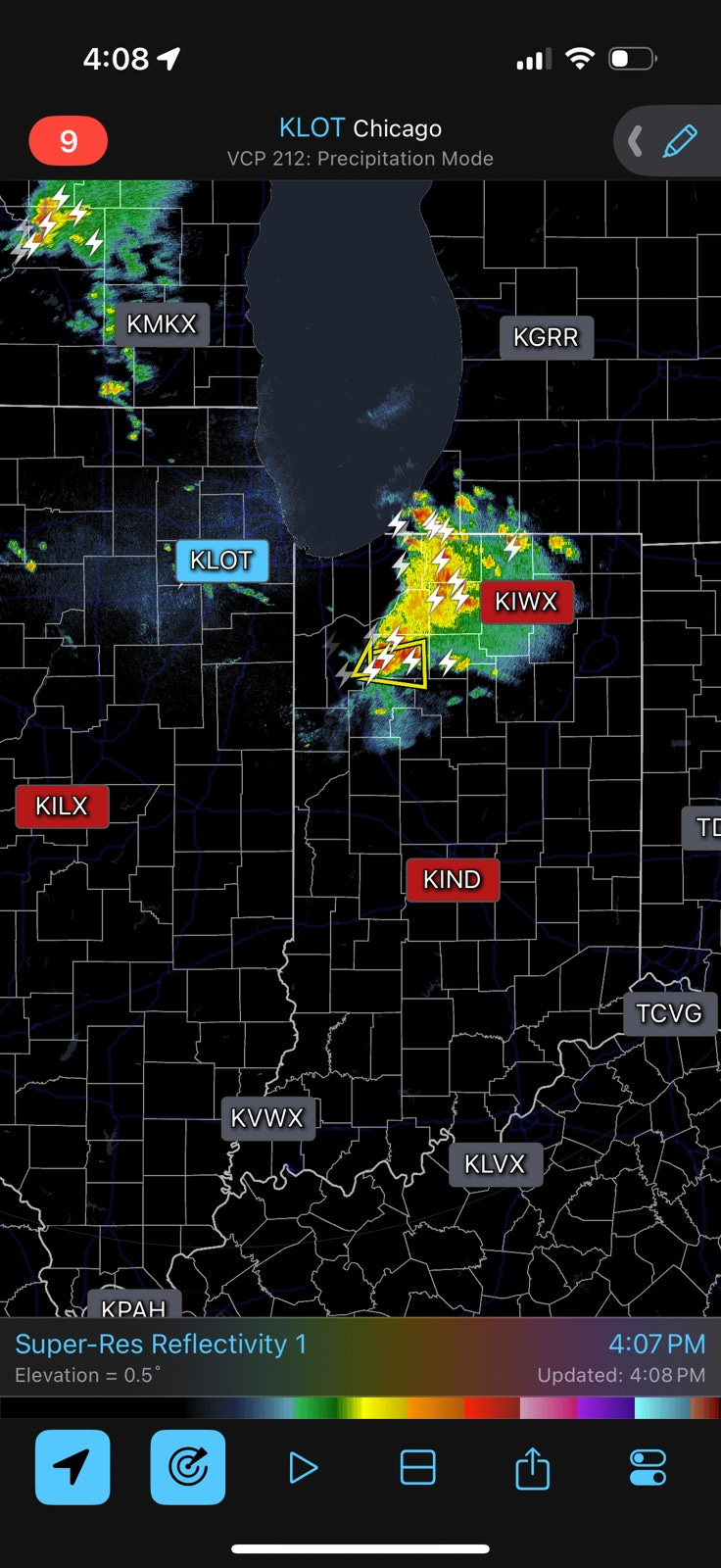
However, many issues remain. During severe weather last Monday afternoon, three radars in the Midwest — Central Illinois, Northern Indiana, and Indianapolis — were offline at the same time for what I understand was a combination of comms and radar issues. The aging of the NEXRAD network is only going to become a more problematic issue until a new Doppler weather radar system is deployed — a solution that remains years away.
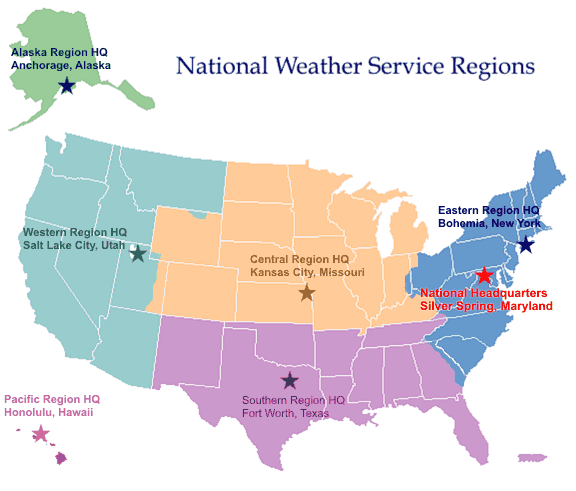
There has still been very little made public about the NWS impending reorganization, but my understanding from multiple sources is that a key aspect of it is the closing of the regional headquarters offices (map above) that have provided support to local NWS offices for things like IT and comms — as well as administrative, logistical and overall management support — for many decades.
While I will be the first person to tell you that the regional structure is incredibly flawed and in need of elimination or complete revamp, obviously for a complex critical public safety agency like NWS with more than 100 local offices, moving to a completely new support and administrative structure after more than 50 years of utilizing the current one is a monumental change that should require serious planning and major collaboration. Based on things I am hearing from many former colleagues, I am very concerned about how this transition will be handled.
First off, even though the move to this new planned organization of the agency was just briefed to managers and employees in the last several weeks, it is scheduled to become effective on June 1. While the general concept to eliminate the regional headquarters and move to a more national organizational structure with “sectors” is known, the myriad details of how facilities, technical and administrative support will be effectively provide to field offices and employees seems very much in flux. Obviously, with such a fluid organizational structure, effective communication and collaboration between various levels of the organization will be paramount. However, a long time NWS management member told me privately today that communications from higher levels of the organization are at the worst point they have witnessed at any time in their 30 year NWS career, and I have heard similar perspectives from many others.
Needless to say, all of this — combined with continuing staffing shortages and budget issues — concerns me greatly about the state and readiness of this crucial agency as we head into the peak of severe weather season and the start of hurricane season. As I discussed many times last year when issues about NWS readiness and performance came up after events like the Texas Hill Country Floods, I have no doubt that NWS employees at all levels of the organization remain deeply committed to the mission and will do their best to ensure there will be no degradation of service. However, the combination of years of deferring crucial organizational changes combined with additional organizational stresses brought on by actual and desired cuts and agency changes from the Trump Administration have left the NWS — in my opinion — in a vulnerable state. As someone who has spent his adult life in support of the mission of this agency that I feel is as vital as any to our country, I feel compelled to continue to share my concerns in the hopes that everything that can be done to adequately support the scientists and technicians who provide the critical, life-saving mission of the NWS will in fact be pursued.


Leave a Reply