
Why we as a society need to better appreciate the risks flash floods pose
Jul 04, 2026

One year ago at this time, while the nation was preparing to celebrate Independence Day, we began to hear reports of a serious flash flood event along the Guadalupe River in the Hill Country of Texas.

The initial reports were sketchy and confused due to the magnitude of the impacts and incomplete data, such as this river gauge plot from the US Geological Survey gage at Hunt, TX which stopped reporting as the flood overwhelmed it. Even with those uncertain initial reports, as I wrote my newsletter that morning, I was very worried that a catastrophic disaster had occurred:
River gages in the region show the terrifying results. The Guadalupe River at Hunt – northwest of Kerrville and near the southernmost 10+” maximum in the map above – went from 7.7’ at 1:10 am to 29.45’ at 4:35 am, the 2nd highest level ever recorded and the highest in nearly 100 years. The flow in cubic feet per second went from 8 cfs to 120,000 cfs over the same period, meaning it went from essentially a dry riverbed to a raging massive river in a matter of about 3 hours. It actually appears that the gage failed at this point – so the actual levels may have been even higher. Unfortunately, this area is home to a number of campgrounds and similar facilities along the Guadalupe River and given the holiday, devastating impacts have likely happened. The Kerr County sheriff is already reporting that an unknown number of fatalities have occurred.
Still, I was unprepared to hear the heartbreaking stories of loss and destruction that would pour out of the area in the coming days. 119 people had already lost their lives in Kerr County that morning — and in total 139 people died in flash flooding in the Hill Country region over the 48 hour period starting in the early morning hours of July 4.
Of course, in the intervening 12 months we have learned a lot about what happened along the Guadalupe River that tragic morning, with much of the media and political focus on the girls’ camp Camp Mystic where 28 campers, counselors and employees died — and where investigations have shown that the camp was woefully unprepared for the threat of flash flooding. Beyond Camp Mystic, there were dozens of other horrific situations that played out that morning, including that of Texas Monthly writer Aaron Parsley, leading to his compelling narrative of the event that won the Pulitzer Prize.
A recent story in The Atlantic (gift link) tells a number of these compelling stories as well — but I have to say the article also contains many of the things I have seen in coverage of this catastrophe that have deeply frustrated me. It starts with the title: “The 10,000 Year Flood.” I am not going to go into all of the science and evidence again — you can read it in my November article about the flood here — but there is absolutely no reason to think that this event was anywhere near that anomalous, or in fact really all that anomalous at all especially given our changing climate. Again, the river level at Hunt — the gage closest to Camp Mystic — was barely a record, less than a foot above the prior record from 1932. The level at Kerrville — where many of the other fatalities occurred — was not even a record. The July 4th flood event is only third — behind the 1932 flood and the 1987 flood which caused the loss of 10 teenage church campers’ lives.
Contextualizing the flood as such a rare event leads to thought processes like the one expressed at the end of the Atlantic article by David Chambers, owner of one of the RV parks near Kerrville that was overwhelmed by the Guadalupe River a year ago (emphasis added):
But David was optimistic about the future of Guadalupe Keys. He was thankful that nobody had died there, and most everything he lost could be replaced. He hoped a nursery would work with him, set him up with an appropriate species of tree that he could plant along the riverbank that would grow fast into tall, wide canopies. Until then, he figured that maybe he’d string up canvas panels to shade a new beach. “We’re definitely going to rebuild,” he said at the edge of the river. “I mean, this is never going to happen again, not in our lifetimes.”
We stood there for a breath, looking up at a naked slope that had once been covered with pecan and hackberry trees. “Well,” he said, “probably not.”
I just have to clearly state this for the record again: there is absolutely NO reason to think that this sort of flash flood cannot happen again along the Guadalupe River or many of the other rivers in the Hill Country. To be clear, I am not saying this because I think that people should not have campgrounds or recreational facilities along such rivers — the rivers are scenic gifts that millions of people have enjoyed. What I am saying is that we have to take the risk of catastrophic flash flooding extremely seriously and truly prepare for it as if it could happen again tonight — we have to do our part to “row away from the rocks.”
The July 4th flash flood deeply impacted me emotionally, and I have spent a lot of time over the last year researching it, writing and talking about it, and having deep conversations with colleagues about it. I began working on a possible book about the event, but some of the recent reporting about it as well as conversations I have had with colleagues about flash flooding have made me reconsider my plans.
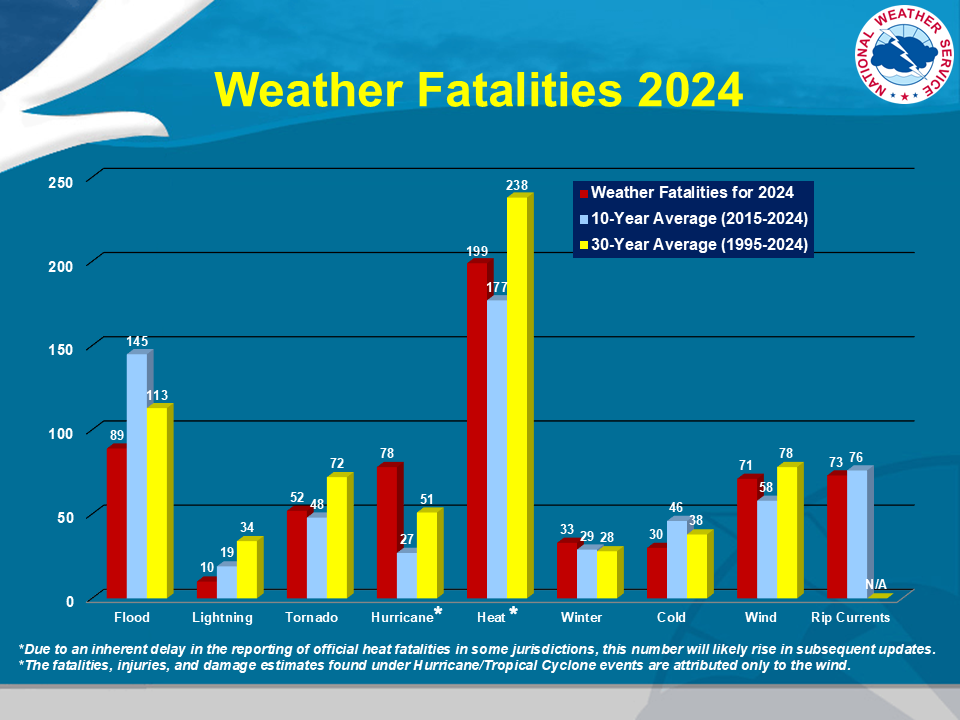
This catastrophe has made me realize that our society has a broader flash flood problem. While there is promising research going on that will potentially lead to much improved warnings and forecasts for flash floods in the coming years, the reality is that we have most of the tools needed to greatly improve flash flood monitoring, preparedness and warnings right now. What we do not have is the appreciation of the threat they pose as a society — and to be honest, I do not think the weather and emergency management communities truly have an appreciation of the threat either. Severe weather and tornadoes so often take the focus — but statistics show that flash flooding is the deadliest threat from thunderstorms.
As you are enjoying your 250th Independence Day celebrations today, I will hope you take a moment to think about all the families who are reliving the horror and tragedy they experienced one year ago. My personal new goal going forward is to develop a book or other long form pieces to help educate people about the story of flash flooding in this country — the history, the science, and what we can do to ensure that many fewer families have to endure the pain these families are feeling today. I will likely be taking some periodic days off from this newsletter in the coming months during quiet weather periods to work on this project.
I will have a video out at some point this afternoon to provide updates on the ongoing weather events.


Leave a Reply